
Stitch, Seal, and Thrive

Today we dive into The Art of Repair: Mending Outdoor Gear and Home Goods for a Longer Life, celebrating practical know-how, resourcefulness, and pride in making things last. Expect step‑by‑step wisdom, field-tested tips, and heartfelt stories that transform frayed edges and failing parts into dependable companions, while saving money, reducing waste, and rekindling your connection to the objects that faithfully serve you indoors and out.

Mindset and Materials for Fixes That Endure

Enduring repairs begin with a patient mindset and a small, intentional kit. Slowing down helps you see causes, not just symptoms: abrasion paths, stress points, moisture ingress, and fatigue. With curiosity, you’ll choose better tools, clean more carefully, and finish thoughtfully, turning each mend into a learning loop that steadily builds confidence, capability, and the satisfying habit of keeping gear and household favorites working longer than expected.

Outdoor Fabric Fixes That Last

From tents and packs to rainwear, technical textiles reward careful, material‑specific fixes. Match patch and adhesive to fabric coatings, round patch corners, and layer stitching with sealing where appropriate. Reproof wet‑out shells, reinforce high‑stress points, and keep zippers sliding smoothly. Field‑ready techniques prevent small rips from becoming trip‑ending failures, extending the dependable life of your favorite companions through seasons of weather, grit, and joyous, repeated use far from convenient shops.

Smart Patches for Nylon and Polyester

Clean the tear’s perimeter with alcohol and let it dry. Use Tenacious Tape or similar ripstop patches, rounding corners to resist peeling. For larger gashes, bond a patch inside and outside for shear strength. Stitch perimeter with a short zigzag or add bar tacks at ends, then reseal stitching on PU-coated fabrics with urethane sealer. For silnylon, use silicone-based sealant instead. Test on scraps first. A well-prepped surface equals long-lived bonds, especially under flex.

Seams, Coatings, and Waterproof Revival

Identify fabric coating: PU fabrics pair with urethane seam sealers; silicone-coated fabrics demand silicone sealers. Remove flaking factory tape before resealing. For jackets losing beading, launder with technical detergent, then apply spray-on or wash-in DWR, tumble-drying low to reactivate. Target shoulders, cuffs, and hems where abrasion erodes treatment first. Re-stitch lifting seam lines, then seal from the inside. Routine maintenance stops creeping wet-out, keeps you drier, and extends the functional lifespan dramatically through rough weather.

Zippers, Sliders, and Trail-Side Hardware Saves

Many zipper failures are slider related. Replace a widened slider with the correct size YKK compatible part using small pliers and patience. Lubricate teeth with paraffin or specialized zipper wax, avoiding oils that attract grit. Pack a spare side-release field-repair buckle to fix shattered hardware without sewing. If zipper tape delaminates, stitch a new tape section and reinforce ends with bar tacks. A five-minute trailside intervention can rescue a stormy night from escalating misery.

Footwear and Soft Goods Reinforced

Home Heroes: Practical Fixes for Daily Favorites

{{SECTION_SUBTITLE}}
Sturdy Chairs Without New Scars

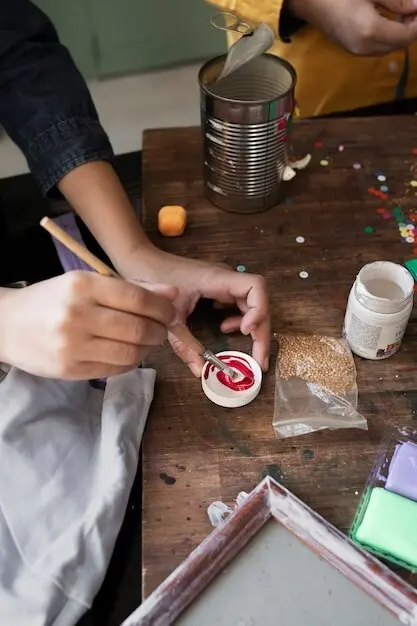
Disassemble gently and remove failed glue using warm water for hide glue or careful scraping for PVA. Dry-fit all joints, replace worn dowels, and clamp squarely with cauls to protect surfaces. Choose reversible hide glue for antiques or quality PVA for modern joints. Avoid quick screws through visible faces; they split wood and hurt value. A slow, respectful reglue restores quiet solidity and extends the chair’s life without covering history under hurried, irreversible fixes.

Cookware Care with Safety in Mind

Revive cast iron by scrubbing to bare metal, removing rust with vinegar soaks or electrolysis, then seasoning thinly with high‑smoke‑point oil. For chipped enamel, smooth sharp edges with fine sandpaper and reserve damaged pieces for low‑heat or non‑food contact if integrity is questionable. Replace loose handles with manufacturer hardware. Be skeptical of high‑heat epoxy touching food surfaces. Honest maintenance, realistic limits, and periodic reseasoning often outperform miracle products, returning steady performance to beloved pans.

Counting Costs and Carbon Honestly

Compare the price of adhesives, patches, and time against replacement costs and shipping emissions. Many items amortize beautifully when life is doubled. Use online calculators to estimate textile footprints and recognize how avoiding new manufacturing reduces water, dye, and energy burdens. Track repairs like maintenance on a vehicle; long-term, your spreadsheet tells a satisfying story of thrift, resilience, and fewer late-night, panic-driven purchases when something breaks at the least convenient moment.

Visible Mending as Personal Expression

A bold sashiko panel on a parka elbow, a contrasting leather patch on a backpack, or carefully hand‑stitched darning on a sweater turns wear into narrative. Friends ask, you explain, curiosity spreads. Beauty emerges not despite the scar but through it. These choices resist disposable habits and broadcast care. Over time, your gear becomes unmistakably yours, accumulating purposeful texture and proof that character grows where patience, practice, and playful color cross paths with everyday necessity.

Community, Skill-Sharing, and Invitation

Host a fix‑night, visit a repair café, or borrow specialty tools from a library of things. Teach a young neighbor to thread a needle or replace a zipper slider, then ask them to teach someone else. Share before‑and‑after photos, subscribe for new guides, and send questions or repair wins. When we circulate skills alongside stuff, longevity multiplies. Your story might be the nudge someone needs to rescue their own almost‑retired favorite today.

Know Your Materials and Failure Modes
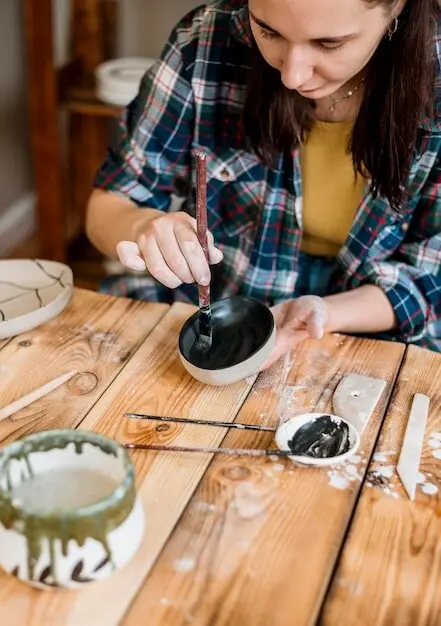
Perform quick checks: burn threads to distinguish polyester from nylon; note milky PU flaking versus glossy silicone coatings; flex plastics to hear stress creaks. Track common failure points—pack strap anchors, tent pole sleeves, hem tapes, chair stretchers. Understanding the why behind breaks guides the how of fixes. When you match method to material, simple patches stick, seams stop creeping, and efforts stop disappearing into that frustrating cycle of repeat, temporary fixes.

Repair, Replace, or Upcycle—Making the Call

Some items should retire gracefully: climbing ropes with core shots, bike helmets after impacts, gas appliances with compromised safety valves. Others invite strategic repair or repurposing: a torn dry bag becomes organizers, frayed jeans become patches, old webbing becomes dog leashes. Ask about safety, value, and learning. If a mend teaches a transferable skill and avoids waste without compromising function, it often wins. Reserve replacements for genuine leaps in safety or essential performance.

A Pocket Kit That Saves the Day

Carry alcohol wipes, Tenacious Tape strips, needle, thread, dental floss, a tiny tube of urethane adhesive, safety pins, a micro lighter, and a spare buckle. Those grams rescue tents from storm leaks and straps from snap failures. Jot successes on a card inside the kit, then refine contents seasonally. Readers often share ingenious additions—mini binder clips, pre‑rounded patches, or a pencil stub. Tell us what’s in yours, subscribe for checklists, and swap ideas.
Farisentozerakaviteliloro
Privacy Overview

This website uses cookies so that we can provide you with the best user experience possible. Cookie information is stored in your browser and performs functions such as recognising you when you return to our website and helping our team to understand which sections of the website you find most interesting and useful.